
November 13, 2026
Agency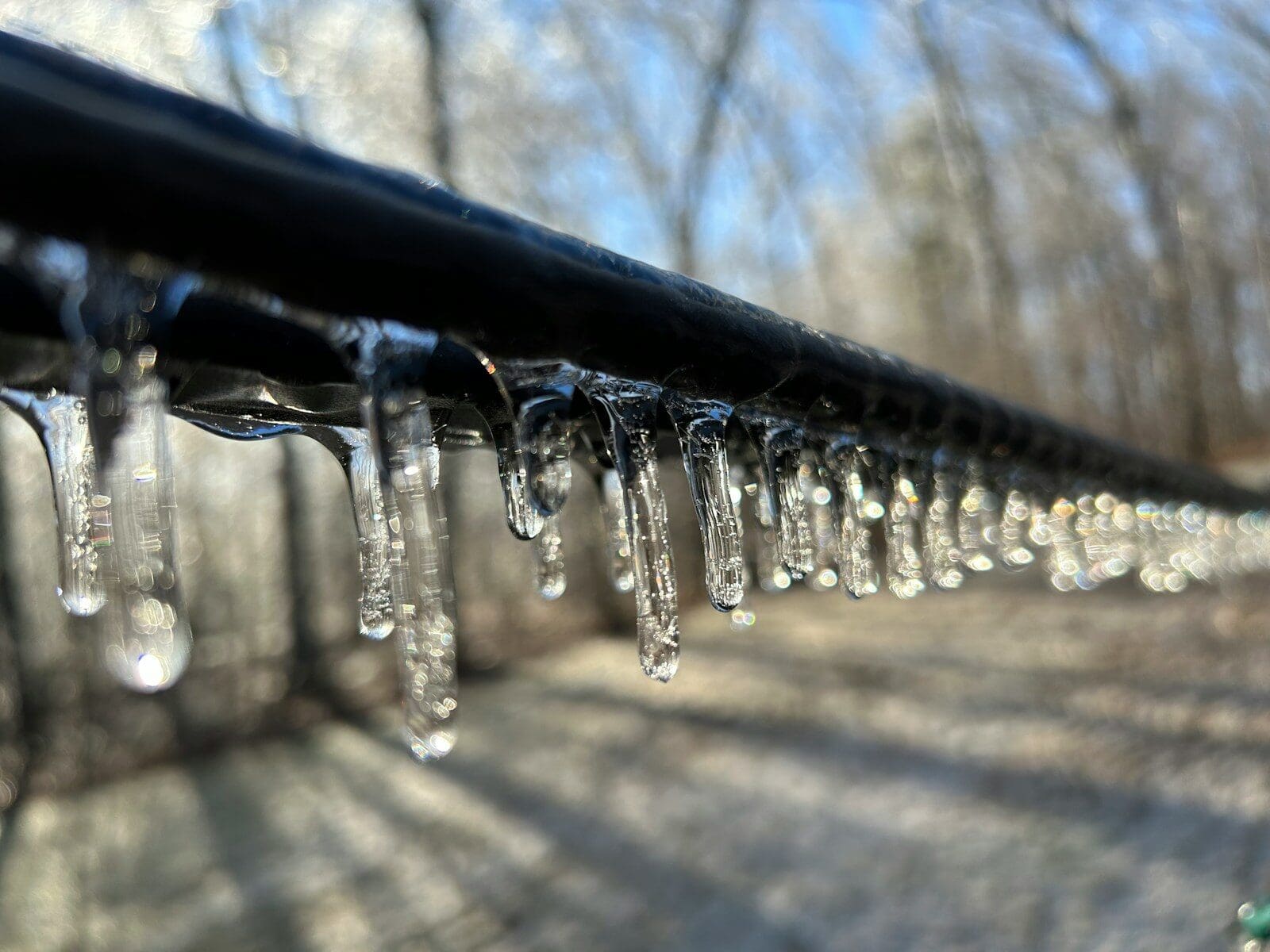
Frozen Pipes, Ice Dams, and Nor’easters: A Connecticut Homeowner’s Winter Claim Playbook
Your step-by-step guide to protecting your home, understanding winter insurance coverage, and knowing what to do when damage strikes.
Winter in Connecticut can be beautiful—until a frozen pipe bursts, water starts dripping through your ceiling, or a powerful nor’easter leaves your roof covered in heavy snow.
For homeowners across Connecticut and the Northeast, freezing temperatures bring more than heating bills. They also introduce risks that can lead to expensive property damage.
In January 2026, the Connecticut Insurance Department issued a winter weather alert, warning residents about frozen pipes, roof damage, and ice dams during extreme cold.
As another heating season begins, now is a good time to understand winter home insurance claims—including what may be covered, what may be excluded, and how to respond when something goes wrong.
Here’s your winter claim playbook.
Step 1: Prepare Your Home Before Freezing Temperatures Arrive
The easiest claim to manage is one you never have to file.
Before temperatures drop, inspect the areas of your home most vulnerable to winter weather.
Start with these preventive measures:
- Insulate exposed pipes in basements, crawl spaces, garages, and exterior walls.
- Keep your heating system maintained and your home adequately heated, including when you’re away.
- Disconnect outdoor hoses and winterize exterior water lines.
- Clear gutters and downspouts to help melting snow drain properly.
- Check attic insulation and ventilation to reduce the risk of ice dams.
- Identify your home’s main water shutoff valve.
During extreme cold, opening sink-cabinet doors and allowing vulnerable faucets to drip slightly may also help prevent pipes from freezing.
These precautions aren’t just helpful maintenance tasks. They may matter when an insurer evaluates whether reasonable steps were taken to prevent a loss.
Step 2: Know the Warning Signs of Winter Damage
Winter damage isn’t always immediately obvious.
Frozen pipes: Reduced water pressure, frost on exposed plumbing, or unusual noises may indicate a freezing problem. A pipe may not begin leaking until the ice thaws.
Ice dams: Thick ice along roof edges, unusually large icicles, and water stains near upper-floor ceilings can signal trapped meltwater.
Snow-load damage: Sagging rooflines, new ceiling cracks, or unusual structural noises can indicate a potentially dangerous condition.
If you suspect structural damage, stay out of the affected area and contact emergency services or a qualified professional. Never climb onto an icy roof to investigate.
Recognizing these warning signs early can help limit additional damage.
Step 3: Stop Further Damage and Document Everything
If a pipe bursts or water enters your home, your first priority is safety—not paperwork.
For a burst pipe, turn off the main water supply if it’s safe to do so. Stay away from standing water near electrical equipment.
If you suspect a gas leak, downed power lines, or imminent structural failure, move to safety and contact emergency services.
Once the situation is safe, document the damage before beginning extensive cleanup.
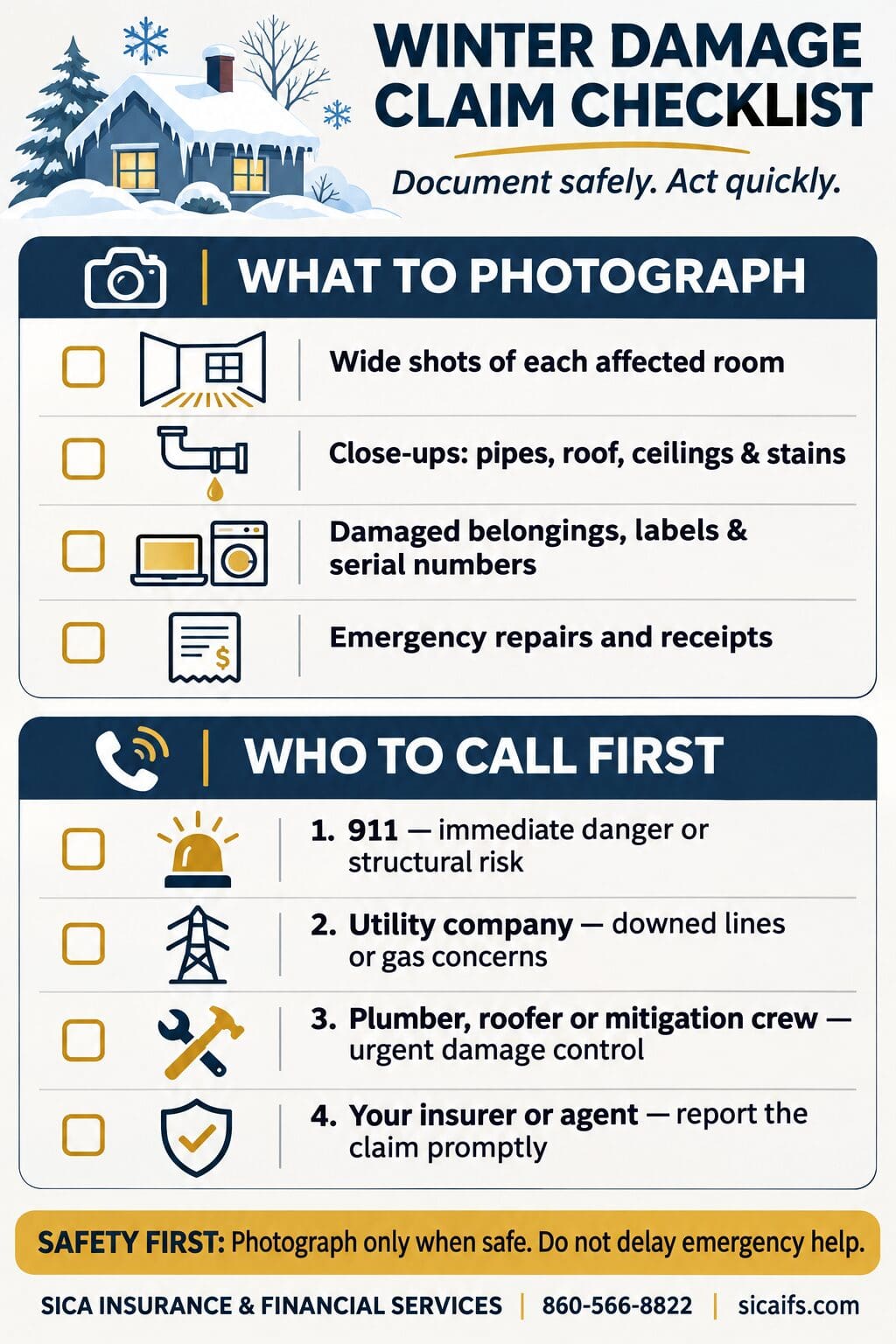
What Should You Photograph?
Take clear pictures or videos of:
- The entire affected room and surrounding areas.
- The source of damage, including broken pipes, roof leaks, or visible ice dams.
- Water stains, damaged walls, flooring, ceilings, and insulation.
- Damaged furniture, appliances, electronics, and other belongings.
- Any emergency repairs performed to prevent further damage.
Record when you discovered the damage, and keep receipts for plumbing, cleanup, temporary repairs, and other emergency expenses.
Your documentation can help support your insurance claim and explain the extent of the loss.
Step 4: Understand What’s Covered—and What Might Not Be
One of the most common questions homeowners ask is:
“Does my homeowners insurance cover frozen pipes or winter storm damage?”
The answer depends on your policy, the cause of the loss, and whether applicable conditions were met.
Here’s a general comparison based on guidance from the Connecticut Insurance Department.
Winter Damage: Covered vs. Not Covered
| Type of damage | Typical coverage position |
|---|---|
| Sudden burst pipe and resulting water damage | Often covered when reasonable precautions, including maintaining heat, were taken. |
| Water damage caused by an ice dam | Generally covered under many homeowners policies, subject to policy terms. |
| Sudden roof collapse from heavy snow or ice | Often covered if the loss meets policy requirements. |
| Ice dam removal or routine roof maintenance | Often not covered as a standalone expense. |
| Gradual deterioration, neglect, or poor maintenance | Generally excluded. |
| Flooding from overflowing rivers or surface-water runoff | Generally excluded from standard homeowners policies; separate flood insurance may apply. |
| Food spoilage following a power outage | Depends on policy provisions, limits, and optional coverage. |
These are general examples, not coverage guarantees. Exclusions, endorsements, deductibles, and claim conditions vary by carrier and policy form.
A Closer Look at Frozen Pipe Damage Insurance Coverage
Imagine leaving your Connecticut home for a winter vacation.
While you’re away, temperatures drop sharply, a pipe freezes, and water damages your flooring and cabinets.
If you maintained adequate heat or took other precautions required by your policy, the resulting damage may be covered.
However, leaving a property unheated without properly winterizing its plumbing could affect coverage.
Similarly, while sudden water damage from an ice dam is often covered, the cost of removing the ice itself may not be.
Understanding these distinctions before a loss occurs can help you avoid unpleasant surprises.
Step 5: Contact Your Insurance Company Promptly
Once immediate hazards are addressed, contact your insurance carrier’s claims department or your independent insurance agent.
Have your policy number, photographs, date of loss, and a short description of the damage available.
Ask about the next steps, applicable deductible, and whether an adjuster needs to inspect the property.
You should also ask about authorization for emergency mitigation and whether the policy provides additional living expenses if a covered loss makes your home uninhabitable.
The Connecticut Insurance Department’s winter claim guidance recommends contacting your insurer promptly, documenting damage, and keeping records of conversations.
Step 6: Make Necessary Temporary Repairs
Homeowners should take reasonable steps to prevent further damage.
That might mean hiring a plumber to stop a leak, arranging professional water extraction, or having a qualified roofer address an immediate hazard.
Keep receipts and photographs of the work.
Avoid unnecessary permanent repairs or disposing of damaged materials before your insurance company has had an opportunity to inspect them, unless safety or urgent circumstances require action.
If you must remove materials immediately, document their condition first whenever safely possible.
Step 7: Review Your Coverage Before the Next Storm
Winter preparedness isn’t only about insulation and snow shovels.
It’s also about knowing whether your insurance fits your home’s current needs.
Ask your agent about frozen-pipe provisions, ice-dam damage, water-backup endorsements, roof coverage, additional living expenses, and applicable deductibles.
If you’ve recently renovated your home, installed new equipment, or made other household changes, consider reviewing your coverage.
Our earlier article, The Back-to-School Insurance Checklist Every Parent Should Read Before the First Bell Rings, explains why changes in your family’s circumstances should trigger an insurance review.
The same principle applies when preparing your home for winter.
Don’t Wait for the First Big Storm—Review Your Coverage Today
At Sica Insurance & Financial Services, we’re here to help Connecticut homeowners understand their coverage and prepare for unexpected losses.
During our 2026 Customer Appreciation Month celebration, you can book and complete a complimentary insurance coverage review and earn one raffle entry, subject to the official promotion rules.
No insurance purchase is required.
Give yourself one less thing to worry about before winter weather arrives.
Call 860-566-8822 to schedule your free coverage review.
Visit www.sicaifs.com or explore our Customer Appreciation Month giveaway details and official rules.
Giveaway entries close December 15, 2026, at 11:59 PM ET. Eligibility requirements and entry limits apply.
This winter, protect more than your home. Protect your peace of mind.
Disclaimer: This article provides general educational information and does not guarantee insurance coverage or claim payment. Actual coverage depends on your specific insurance policy, endorsements, exclusions, deductibles, and the circumstances of the loss. Consult your insurance agent or carrier for policy-specific guidance.